Us Firms Pay Price For Trump’s China Tariffs, Export Controls, Study Finds
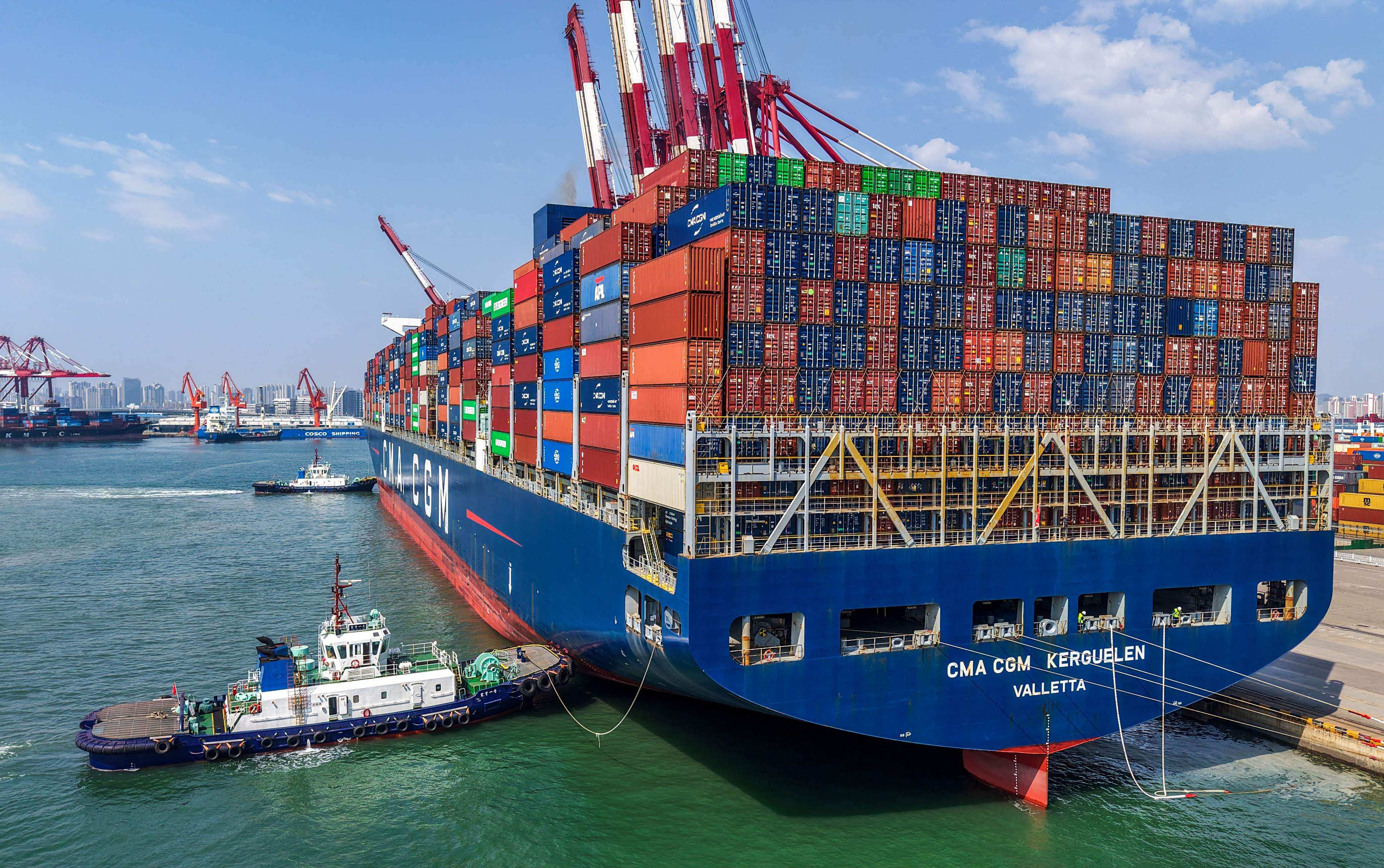
The Trump administration’s export controls, sanctions and tariffs are hurting American firms in China without achieving their policy goals of blocking critical technology or reviving US manufacturing, according to a new business survey.
“US export controls are not calibrated to empower American companies … Instead, they are forcing buyers to go elsewhere,” the US-China Business Council said on Wednesday, releasing the results of its annual member survey.
“Export controls are less effective when Chinese or foreign competitors can readily backfill.”
The report said that nearly half of the 175 respondents to the survey were affected by US export controls and sanctions, with around 61 per cent of those firms losing sales to Chinese competitors – a rise of five percentage points from 2025.
“The lesson isn’t that export controls aren’t important, it’s that they need to be strategic, they need to be calibrated, and they need to be fluid enough to adapt to global changes in technology,” council president Sean Stein said.
Over 72 per cent of the surveyed companies were also hit by the tit-for-tat tariffs unleashed by both countries, with close to 40 per cent of the affected businesses losing sales as a result of the US duties.
The report said that these losses had not forced American companies to onshore manufacturing – only 14 per cent of respondents expanded production at home while 36 per cent increased production in third countries.
“The trade deficit with China may have narrowed, but it has not reinvigorated US manufacturing,” the report said.
The US trade deficit with China plunged by more than 30 per cent last year as both exports and imports fell at double-digit rates – marking the lowest point in bilateral trade since 2009.
The study also revealed that despite the fallout from tariffs, policy uncertainty and persistent tensions, China remained critical to the global operations of US companies.
“For a resounding 95 per cent of respondents, China operations are somewhat to very important for staying competitive globally,” the report said.
In fact, the share of companies ranking China as important or very important to their global competitiveness rebounded to 80 per cent, up from 66 per cent in 2025.
“This resurgence reflects China’s position as a manufacturing powerhouse, consumption market, and test bed for new technologies and cutting-edge firms,” it added.
“You just can’t be globally competitive if you’re not in China,” Stein said.
“It’s not just a matter of being in China to compete in the China market, you’re now in China to be competitive globally.
However, the report also highlighted China’s stricter export control regime, particularly its restrictions on rare earth elements and magnets in April last year, which were imposed in response to the Trump administration’s tariff escalation.
“Despite China issuing general licences for recurring exports of some controlled items, progress has been mixed, with some [rare earths] remaining nearly unobtainable,” the report said.
It noted that roughly three-quarters of respondents were scouting for alternatives, with one-third of those “actively shifting to non-Chinese suppliers”.
“Absent greater transparency and predictability, any expansion of export controls will push US firms to build new supply chains where alternatives are technically and commercially viable, though this will take years and require government support,” the report said.
The two sides reached a temporary one-year truce in October after multiple rounds of discussions.
US President Donald Trump’s visit to China last month did result in narrow commercial deals on farm products and Boeing planes, but it failed to address the friction points of tariffs, export controls, rare earths and advanced semiconductors.
For American companies, the report said, US-China tensions remained their “greatest challenge” in the China market, with over 84 per cent of affected companies reporting “harmful or severely harmful impacts”.
Popular Products
-
 Classic Oversized Teddy Bear
$23.78 -
 Gem's Ballet Natural Garnet Gemstone ...
$171.56$85.78 -
 Butt Lifting Body Shaper Shorts
$95.56$47.78 -
 Slimming Waist Trainer & Thigh Trimmer
$67.56$33.78 -
 Realistic Fake Poop Prank Toys
$99.56$49.78