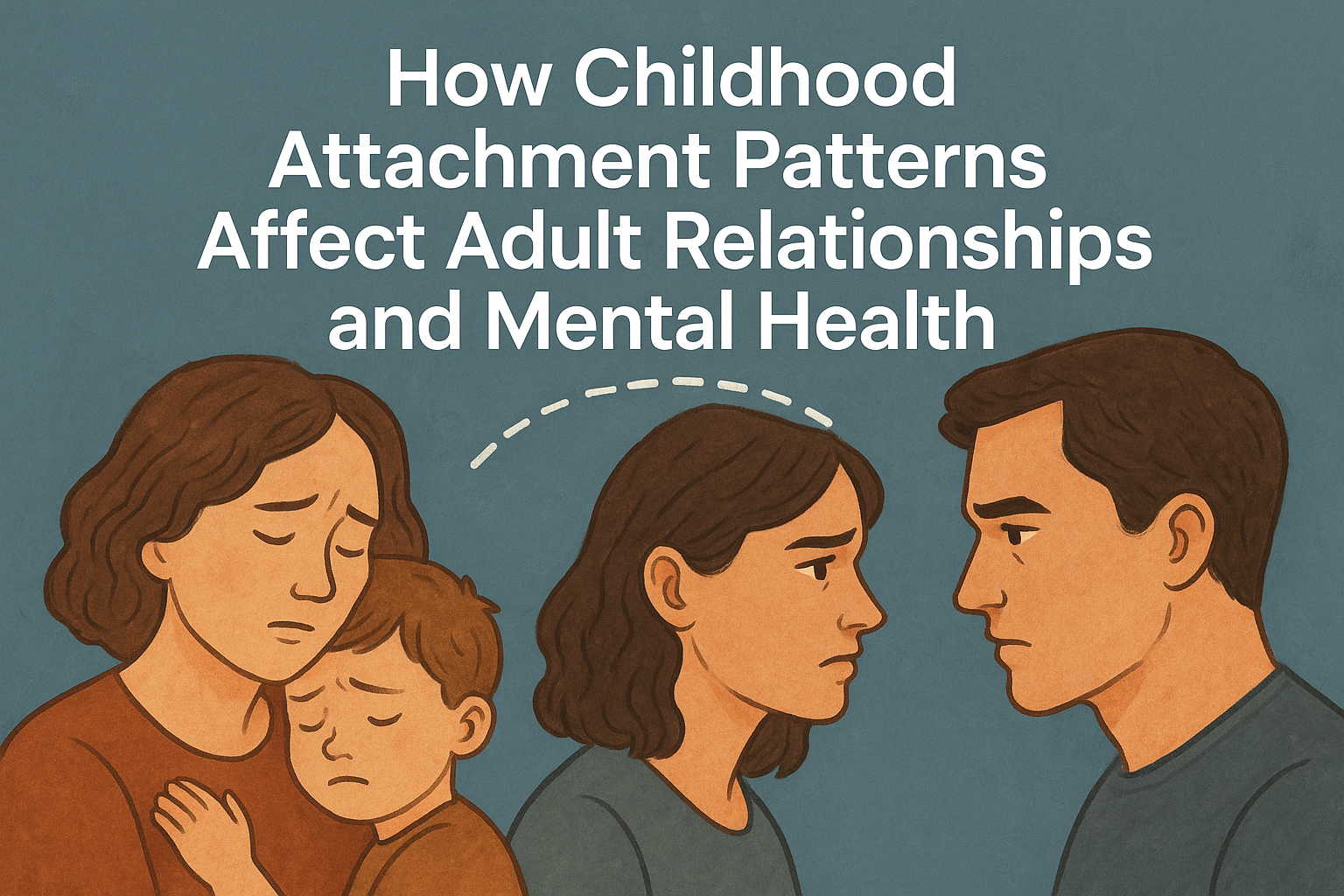
“how Childhood Attachment Patterns Affect Adult Relationships And Mental Health”
“`html
The impact of childhood experiences on adult life is a topic that has garnered increasing interest in psychology and mental health. At the heart of this discussion are childhood attachment patterns, which play a crucial role in shaping how individuals interact in their relationships and manage their mental well-being. Understanding these patterns not only helps individuals gain insight into their behaviors but also sheds light on the importance of early emotional bonds.
The Origins of Attachment Theory
Attachment theory was first developed by psychologist John Bowlby in the mid-20th century. Bowlby proposed that the bonds formed between infants and their primary caregivers significantly affect their emotional and social development. His research highlighted that children who have secure attachments tend to develop healthier relationships in adulthood, while those with insecure attachments may struggle.
Mary Ainsworth later expanded on Bowlby’s work through her “Strange Situation” experiment. This study categorized attachment styles into four primary types: secure, anxious, avoidant, and disorganized. Each type reflects a different pattern of behavior exhibited in response to a caregiver’s presence or absence, shaping the child’s expectations and interactions with others throughout their lives.
The Four Attachment Styles Explained
To understand how childhood attachment patterns manifest in adulthood, it’s essential to explore the four attachment styles in detail:
- Secure Attachment: Children with secure attachment feel safe and comfortable exploring their environment when their caregiver is present. They trust that their needs will be met and typically exhibit healthy emotional regulation. In adulthood, these individuals tend to have stable relationships, communicate effectively, and manage conflicts constructively.
- Anxious Attachment: Anxiously attached children often feel insecure about their caregiver’s availability. They might become clingy or overly dependent, constantly seeking reassurance. Adults with this attachment style may struggle with jealousy, fear of abandonment, and difficulty trusting their partners.
- Avoidant Attachment: Children with avoidant attachment often learn to suppress their emotions, believing that expressing needs will be met with rejection. As adults, they may avoid intimacy and struggle with emotional closeness, preferring independence over connection. This can lead to superficial relationships and challenges in vulnerability.
- Disorganized Attachment: This style is characterized by a lack of clear attachment behavior. Children may exhibit a mix of avoidant and anxious traits, often due to inconsistent or traumatic caregiving. In adulthood, disorganized attachment can result in chaotic relationships and difficulties in regulating emotions.
The Connection Between Attachment Patterns and Mental Health
Research indicates a strong correlation between childhood attachment patterns and various mental health outcomes. Securely attached individuals are generally more resilient, exhibiting lower rates of anxiety and depression compared to their insecurely attached counterparts. In contrast, those with anxious or avoidant attachment styles are at a heightened risk for mental health issues.
For example, individuals with insecure attachment styles may develop anxiety disorders as they struggle with feelings of inadequacy and fear of rejection. Additionally, the inability to form close relationships can lead to loneliness and social isolation, further exacerbating mental health challenges.
How Attachment Patterns Influence Adult Relationships
Childhood attachment patterns significantly shape how adults approach romantic relationships, friendships, and even professional interactions. For instance, securely attached adults are more likely to engage in healthy communication, establish boundaries, and resolve conflicts effectively. In contrast, those with insecure attachment styles often find themselves repeating negative relationship patterns.
For example, an anxiously attached person may constantly seek validation from their partner, leading to a cycle of dependence that can strain the relationship. On the other hand, avoidantly attached individuals might shy away from deeper commitments, leaving partners feeling rejected or unworthy.
Understanding these dynamics is crucial for anyone seeking to improve their relationships. By recognizing their attachment style, individuals can work towards healthier patterns of interaction and break free from negative cycles.
The Role of Awareness and Reflection
Self-awareness is key to transforming one’s attachment style and improving interpersonal relationships. Reflecting on past experiences, especially those from childhood, can provide valuable insights into current behaviors and emotional responses. Journaling, therapy, or discussions with trusted friends can help individuals uncover and address their attachment patterns.
Engaging in therapy, particularly approaches like Emotionally Focused Therapy (EFT), can be beneficial. EFT emphasizes the importance of emotional bonds and attachment needs, helping individuals and couples develop healthier relational patterns. Through therapy, individuals can gain a deeper understanding of their attachment styles, learn effective communication skills, and establish more fulfilling relationships. (See: Attachment theory overview.)
Practical Steps to Foster Secure Attachments
While childhood attachment patterns can be deeply ingrained, it’s possible to foster more secure attachments later in life. Here are some practical steps individuals can take:
- Practice Vulnerability: Allowing oneself to be vulnerable can strengthen emotional connections. Share fears, hopes, and dreams with partners and friends to build intimacy.
- Learn Effective Communication: Clear and honest communication is the foundation of healthy relationships. Practice active listening and express feelings openly.
- Seek Support: Building a supportive network of friends or seeking professional help can provide the encouragement needed to change attachment patterns.
- Challenge Negative Beliefs: Work on recognizing and challenging negative beliefs about oneself and relationships. Cognitive-behavioral techniques can be particularly useful in this regard.
The Influence of Culture and Society
It’s also important to acknowledge that attachment patterns are influenced by cultural and societal factors. Different cultures have varying expectations about emotional expression, attachment, and relationships. For instance, collectivist societies may prioritize communal bonds over individual needs, affecting attachment styles and emotional regulation.
This cultural lens can provide additional context for understanding attachment patterns. For example, someone raised in a culture that discourages emotional expression might develop avoidant traits, even if their caregivers intended to provide secure attachment. Recognizing this context can help individuals navigate their own attachments more effectively.
Current Research and Developments
The field of attachment theory continues to evolve, with new research shedding light on the complexities of childhood attachment patterns. For instance, studies have demonstrated that attachment styles are not static; they can change based on new experiences and relationships.
Moreover, recent findings suggest that the neurobiological mechanisms underlying attachment are significant. Research has shown that secure attachments can positively affect brain development, while insecure attachments can lead to increased stress responses and emotional dysregulation. Understanding these biological underpinnings offers a more comprehensive view of how attachment impacts mental health.
Intergenerational Transmission of Attachment Patterns
One fascinating aspect of attachment theory is the concept of intergenerational transmission of attachment patterns. This phenomenon suggests that the attachment styles of parents can influence the attachment styles of their children. For example, a securely attached parent is more likely to raise securely attached children, whereas an insecurely attached parent may inadvertently pass on their attachment issues to their offspring.
Studies have shown that this transmission can occur through various mechanisms, including parenting behaviors, emotional responsiveness, and the parent-child dynamic. If a parent struggles to meet their child’s emotional needs, the child may develop an insecure attachment style, which can persist into adulthood. Understanding this cycle is crucial for breaking the pattern and fostering healthier attachments in future generations.
Attachment Patterns and Parenting Styles
Attachment patterns are closely tied to parenting styles, which can profoundly impact a child’s emotional development. Research often highlights four primary parenting styles: authoritative, authoritarian, permissive, and uninvolved. Each style can lead to different attachment outcomes:
- Authoritative Parenting: This style is characterized by warmth and responsiveness combined with clear boundaries. Children raised by authoritative parents are more likely to develop secure attachments.
- Authoritarian Parenting: Authoritarian parents are often strict and may not be responsive to their child’s emotional needs. This can lead to anxious or avoidant attachments.
- Permissive Parenting: Permissive parents are warm but lack boundaries, which can result in children developing anxious attachments due to inconsistent responses.
- Uninvolved Parenting: Uninvolved parents are emotionally detached and unresponsive. This is often linked to disorganized attachment, as children may feel neglected or confused about their caregiver’s availability.
By recognizing the link between parenting styles and attachment patterns, parents can be more intentional in their approach, fostering secure attachments with their children.
Real-Life Implications of Attachment Patterns
The implications of childhood attachment patterns extend beyond personal relationships and mental health. They can influence various aspects of life, including workplace dynamics, parenting approaches, and even choices made in friendships. For instance, securely attached individuals often excel in collaborative environments, displaying higher levels of empathy and communication skills. Conversely, individuals with insecure attachment patterns might struggle with teamwork, avoidance of conflict, or difficulty trusting colleagues.
Additionally, in parenting, securely attached individuals tend to replicate the effective strategies used by their caregivers, creating a nurturing environment for their children. This can lead to a generation of children who are more emotionally intelligent and capable of forming healthy relationships.
Related: You may also like
How to Identify Your Attachment Style
Identifying your attachment style can be a transformative step in understanding your relationships. Here are some signs and self-reflective questions to consider:
- Secure Attachment: Do you feel comfortable with intimacy and independence? Are you able to communicate openly with your partner?
- Anxious Attachment: Do you often worry about your partner’s feelings towards you? Do you need constant reassurance in your relationships?
- Avoidant Attachment: Do you find it difficult to get close to others? Do you often feel overwhelmed by emotional intimacy?
- Disorganized Attachment: Do you experience confusion in relationships, feeling both drawn to and afraid of emotional closeness? Do you find it hard to predict your emotional reactions?
Taking time to reflect on these questions can help you gain clarity on your attachment style and how it affects your relationships. (See: Childhood attachment and adult relationships.)
Frequently Asked Questions (FAQ)
1. Can attachment styles change over time?
Yes, attachment styles can change based on new experiences, relationships, and personal growth. Engaging in therapy or forming secure relationships can help shift insecure attachment styles to more secure ones.
2. How can I support a partner with an insecure attachment style?
Being patient, understanding, and consistently providing reassurance can help support a partner with an insecure attachment style. Encouraging open communication and validating their feelings can foster a secure connection.
3. Are there tests to determine attachment styles?
Yes, there are various self-assessment tools and questionnaires designed to help individuals determine their attachment styles. However, working with a mental health professional can provide deeper insights and personalized support.
4. How can parents foster secure attachment in their children?
Parents can foster secure attachment by being responsive to their child’s needs, providing consistent emotional support, and encouraging open communication. Creating a safe and nurturing environment is key.
5. What role does therapy play in addressing attachment issues?
Therapy can be instrumental in addressing attachment issues. Through techniques like EFT, individuals can explore their attachment styles, learn effective communication strategies, and build healthier relationships.
New Insights into Adult Attachment Patterns
Recent studies have further illuminated the connections between childhood attachment patterns and adult behavior, revealing that these patterns can influence not only romantic relationships but also workplace dynamics and social friendships. Research shows that securely attached adults are often perceived as more effective leaders, displaying confidence and emotional intelligence that fosters trust within teams.
A study published in the journal “Personality and Social Psychology Bulletin” found that leaders with secure attachment styles were more likely to promote a positive workplace culture, enhance employee satisfaction, and encourage team collaboration. In contrast, avoidant leaders may struggle to connect with their teams, leading to a lack of cohesion and morale issues.
Understanding these dynamics can help organizations foster better workplace relationships and ultimately improve productivity. Training programs that focus on emotional intelligence and attachment styles can help employees develop more secure interactions, creating a more harmonious workplace environment.
Attachment Patterns Across the Lifespan
Attachment patterns are not just confined to childhood; they can evolve throughout different life stages. As individuals enter new phases—such as adolescence or parenthood—their attachment styles may shift based on new experiences or relationships. For instance, adolescents often begin to form romantic relationships that significantly impact their attachment styles. A supportive first romantic relationship can foster secure attachment, while a tumultuous one can reinforce insecure patterns.
Furthermore, becoming a parent can also trigger shifts in attachment styles. Research shows that parents who understand their attachment patterns are better equipped to provide secure attachments to their children. This awareness allows them to consciously break the cycle of maladaptive attachments and help their children develop healthier emotional bonds.
The Effects of Trauma on Attachment Patterns
Trauma can have a profound impact on childhood attachment patterns. Children who experience abuse, neglect, or significant loss may develop insecure attachment styles, affecting how they relate to others throughout their lives. Research indicates that trauma can lead to increased anxiety and difficulty in forming healthy relationships in adulthood.
For example, individuals with a history of trauma may exhibit disorganized attachment behaviors, where they crave closeness yet fear it simultaneously. They may struggle with trust and intimacy in relationships, often finding themselves in conflict between the desire for connection and the fear of getting hurt. Understanding the effects of trauma on attachment patterns is critical for mental health professionals working with clients to develop coping strategies and build healthier relationships.
Breaking the Cycle of Insecure Attachments
For those who identify with insecure attachment styles, it’s essential to understand that change is possible. Breaking the cycle of insecure attachments involves recognizing patterns and actively working towards building secure relationships. Seeking professional help, engaging in self-reflection, and developing emotional literacy are key steps in this process.
Practicing self-compassion is also vital. Individuals often internalize negative beliefs stemming from their attachment experiences, which can perpetuate feelings of unworthiness. Learning to treat oneself with kindness and understanding can shift these beliefs and pave the way for healthier interactions with others.
Attachment Styles in the Digital Age
In today’s digital age, attachment styles can also manifest in online interactions. As social media and online dating become increasingly prevalent, individuals may find that their attachment styles affect how they engage with these platforms. For instance, those with anxious attachment may feel heightened insecurities while navigating online relationships or encounters. They might constantly seek validation through likes and comments, leading to increased anxiety or distress.
Conversely, avoidantly attached individuals may find themselves disengaging from deeper connections, using digital platforms as a means to maintain distance. It’s important to recognize how these behaviors influence digital communication, as they can either enhance or hinder relationship-building efforts.
Support Systems and Secure Attachments
Building secure attachments often involves strong support systems. These systems can include friends, family, mentors, or therapists who provide emotional support and encouragement. Actively seeking out and nurturing these relationships can help reinforce secure attachment patterns.
Engaging in group therapy or support groups can also be beneficial. Sharing experiences with others who have faced similar challenges can foster understanding and connection, creating an environment where secure attachments can thrive. Ultimately, developing a robust network of supportive relationships is crucial for anyone looking to cultivate secure attachments in their lives.
Conclusion: The Path to Healing and Growth
In summary, childhood attachment patterns have profound implications for adult relationships and mental health. By understanding these patterns, individuals can gain insights into their behaviors and make informed choices to foster healthier connections. The journey toward secure attachments requires self-reflection, vulnerability, and an openness to change. While the effects of early attachment experiences can be far-reaching, the capacity for healing and growth is equally significant. Embracing this journey can lead to more fulfilling relationships and improved mental well-being.
“`
More from this site
Trending Now
Frequently Asked Questions
How do childhood attachment patterns influence adult relationships?
Childhood attachment patterns significantly influence adult relationships by shaping how individuals interact with others. Securely attached individuals tend to have healthier relationships, while those with insecure attachments may struggle with trust and communication, impacting their ability to form stable connections.
What are the four types of attachment styles?
The four types of attachment styles are secure, anxious, avoidant, and disorganized. Each style reflects different behaviors and expectations in relationships, formed through early interactions with caregivers, which can affect emotional regulation and relationship dynamics in adulthood.
What is the impact of secure attachment in adulthood?
Individuals with secure attachment in childhood typically experience stable and fulfilling relationships in adulthood. They are more likely to communicate effectively, manage conflicts constructively, and maintain healthy emotional regulation, contributing to overall mental well-being.
How can insecure attachment affect mental health?
Insecure attachment patterns, such as anxious or avoidant styles, can lead to difficulties in forming relationships and managing emotions. This may result in increased anxiety, depression, and challenges in interpersonal interactions, negatively impacting overall mental health.
What role did John Bowlby play in attachment theory?
John Bowlby was a pioneer in attachment theory, proposing that early bonds between infants and caregivers are crucial for emotional and social development. His work laid the foundation for understanding how these attachments shape behavior and relationships throughout life.
Have you experienced this yourself? We’d love to hear your story in the comments.
The post “How Childhood Attachment Patterns Affect Adult Relationships and Mental Health” appeared first on The Edvocate.
Popular Products
-
 Romantic Couples Board Game
$25.99$15.78 -
 Rotatable Romantic Carousel Music Box
$35.99$29.78 -
 Pink Silk Rose Artificial Flower
$75.99$45.78 -
 Heart Lock Couple Bracelet & Key Neck...
$35.67$22.78 -
 French Pink Press on Pearl Accent Nails
$12.99$9.78