“the Four Attachment Styles In Children: Secure, Anxious, Avoidant, And Disorganized”
“`html
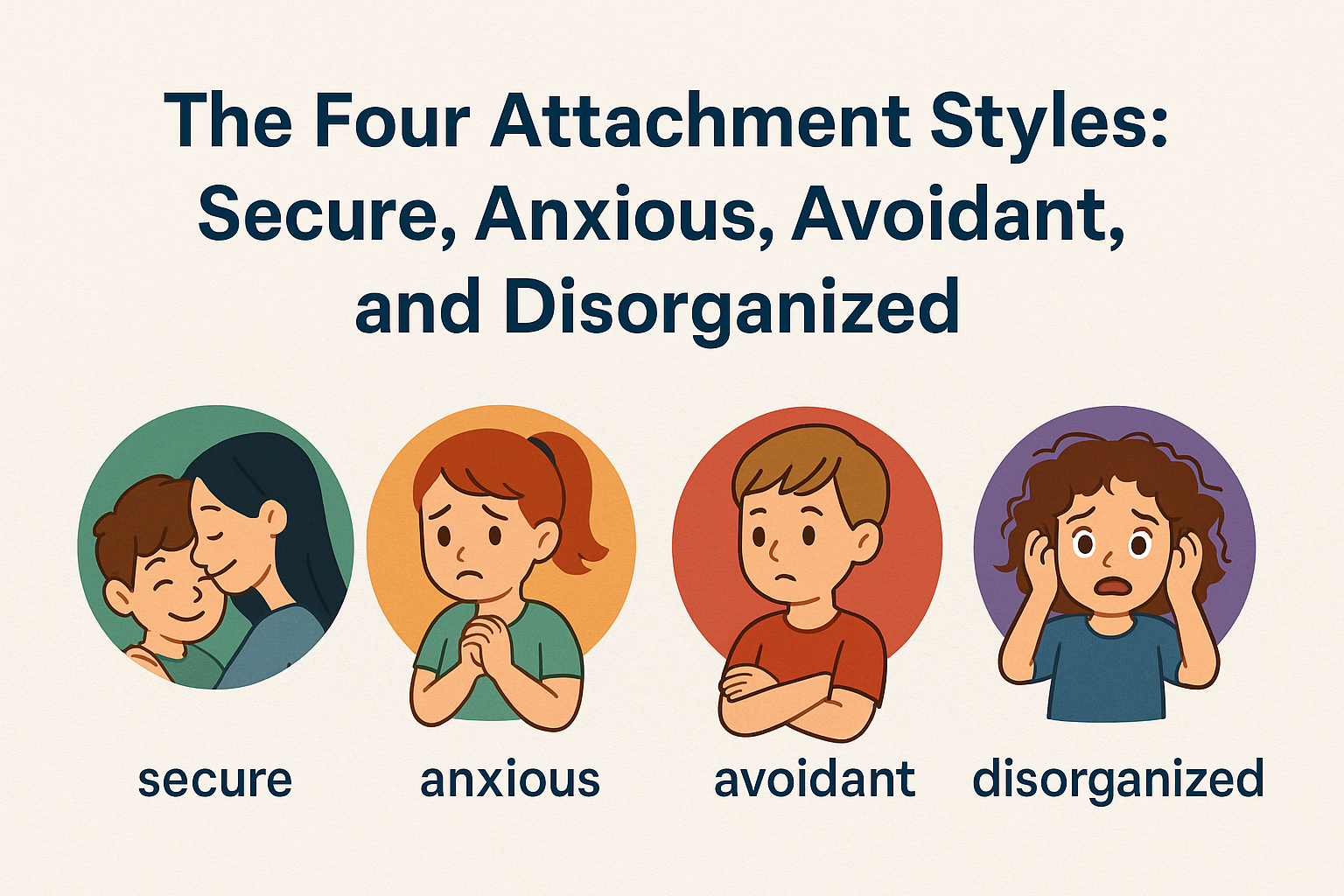
Attachment theory has profoundly influenced our understanding of child development and interpersonal relationships. When we think about attachment styles in children, we typically refer to the secure, anxious, avoidant, and disorganized styles. These patterns not only shape a child’s interactions with caregivers but also lay the groundwork for their future relationships. Let’s explore each of these styles in detail—examining their roots, characteristics, and implications for children’s emotional and social well-being.
What is Attachment Theory?
Developed by British psychologist John Bowlby in the mid-20th century, attachment theory posits that the bonds formed between infants and their primary caregivers have lasting effects on emotional development. Bowlby suggested that children are born with an innate drive to seek proximity to caregivers for safety and security. This attachment serves as a crucial survival mechanism, influencing not just immediate needs but shaping the child’s relational framework for life.
Bowlby’s ideas were further expanded by Mary Ainsworth, who conducted extensive research through the “Strange Situation” study. This research involved observing children’s behavior in a controlled environment when separated from and reunited with their mothers. Ainsworth identified different attachment styles based on children’s reactions during these separations and reunions, leading us to the four primary attachment styles observed in children today.
Secure Attachment Style
Children with a secure attachment style generally feel safe and protected in their relationships with caregivers. They are comfortable exploring their environment while knowing they can rely on their caregivers for support. This style often emerges when caregivers are responsive, attentive, and nurturing. When these children face challenges, they seek comfort and support from their parents, who provide reassurance.
Research indicates that secure attachment is correlated with positive outcomes in various domains, including emotional regulation, social skills, and academic performance. A study published in the journal Child Development found that children with secure attachments are more likely to exhibit resilience, manage stress effectively, and form healthy relationships in adulthood.
- Characteristics: Confidence, resilience, ability to express emotions.
- Long-term effects: Healthy relationships, emotional stability, better coping mechanisms.
Anxious Attachment Style
Anxiously attached children often experience heightened anxiety in their relationships. These children may display clinginess and fear of abandonment, frequently seeking reassurance from their caregivers. Their caregivers may be inconsistently available or responsive, leading to a sense of insecurity.
Children with this attachment style might develop a hyper-vigilance to emotional cues, making them overly sensitive to the moods and behaviors of those around them. This can lead to challenges in forming stable relationships later in life. For instance, a study in the journal Attachment & Human Development found that adults with anxious attachment often struggle with trust and may experience jealousy in romantic relationships.
- Characteristics: Clinginess, anxiety, fear of abandonment.
- Long-term effects: Difficulty managing relationships, potential for anxiety disorders.
Avoidant Attachment Style
Avoidant attachment in children often manifests as emotional distance from caregivers. These children may appear independent and self-sufficient, often suppressing their emotions. They tend to avoid seeking comfort or assistance from caregivers, leading to a lack of emotional expressiveness.
This attachment style frequently develops in response to caregivers who are emotionally unavailable or dismissive. Children learn that expressing their needs will not lead to support, so they withdraw and develop a sense of independence. However, this can have negative implications for relationships in adulthood, where avoidantly attached individuals may struggle with intimacy and vulnerability. A study in the journal Personality and Social Psychology Bulletin found that avoidantly attached individuals often exhibit lower levels of relationship satisfaction.
- Characteristics: Emotional distance, self-sufficiency, reluctance to express needs.
- Long-term effects: Challenges with intimacy, potential for loneliness.
Disorganized Attachment Style
Disorganized attachment is characterized by a lack of clear attachment behavior. Children showing this style often appear confused or apprehensive around their caregivers. This can occur in situations where caregivers are sources of both comfort and fear, leading to conflicting feelings in the child.
Disorganized attachment frequently arises in environments marked by trauma or inconsistent caregiving. For instance, a caregiver who is neglectful or abusive may inadvertently teach the child to associate closeness with fear. This chaotic attachment can lead to various challenges in adulthood, such as difficulty in managing emotions and forming trusting relationships. Research in Developmental Psychology suggests that disorganized attachment is often linked to higher rates of mental health issues, including depression and anxiety.
- Characteristics: Confusion, apprehensiveness, lack of clear attachment behavior.
- Long-term effects: Emotional dysregulation, potential for mental health disorders.
How Attachment Styles Develop in Early Childhood
The development of attachment styles in children is influenced by multiple factors, with caregiving practices playing a crucial role. A parent’s responsiveness to their child’s needs lays the foundation for a secure attachment. For instance, when caregivers respond consistently and sensitively, children feel valued and understood, promoting a secure attachment. (See: Attachment theory overview on Wikipedia.)
In contrast, inconsistent or neglectful caregiving can lead to anxious or avoidant attachment styles. For example, a caregiver who is preoccupied with their own issues may respond inconsistently to a child’s needs, leaving the child feeling uncertain and anxious. Moreover, children exposed to trauma or abuse often experience disorganized attachment due to the conflicting emotions they feel towards their caregivers.
Recognizing Attachment Styles in Everyday Interactions
Understanding attachment styles in children isn’t just an academic exercise; it has practical implications in everyday interactions. By recognizing these styles, parents and caregivers can adapt their approaches to better support children’s emotional needs. For instance, a child with an anxious attachment may benefit from more consistent routines and reassurance, while a child with avoidant attachment might need encouragement to express their feelings openly.
In educational settings, teachers can also play a vital role in acknowledging attachment styles. Children with secure attachments are more likely to engage in cooperative learning and participate actively in classroom discussions. On the other hand, those with insecure attachments might struggle with peer interactions and need additional support. Educators can foster a safe environment that promotes connection and understanding, making a significant difference in these children’s academic and social experiences.
The Role of Therapists in Addressing Attachment Issues
For children struggling with attachment issues, therapy can be instrumental in helping them develop healthier relational patterns. Therapists often employ various modalities to address attachment styles, including play therapy, cognitive-behavioral therapy, and attachment-based therapy. These approaches aim to create safe spaces for children to explore their feelings, learn emotional regulation techniques, and practice building healthy relationships.
For instance, play therapy allows children to express their emotions through play rather than verbal communication, which can be challenging for them. In this setting, a therapist can observe a child’s interactions with toys and other children to gain insights into their attachment style and emotional needs. By providing tools and strategies for navigating relationships, therapy can help children move towards a more secure attachment style.
Current Research and Developments
Researchers continue to explore the intricacies of attachment styles in children, particularly how they relate to broader societal issues. Contemporary studies examine the impact of diverse family structures, cultural contexts, and socio-economic factors on attachment development. For example, research published in the journal Child Psychiatry & Human Development suggests that children raised in single-parent households may experience different attachment dynamics compared to those in two-parent households.
Furthermore, the rise of technology and digital communication is also being scrutinized. How do screen time and virtual interactions affect attachment styles in children? Researchers are beginning to investigate these questions, seeking to understand the implications of growing up in a digital age on emotional and relational development.
Practical Insights for Parents and Caregivers
Understanding attachment styles in children can empower parents and caregivers to create nurturing environments that promote secure attachment. Here are some practical strategies to consider:
- Be responsive: Pay attention to your child’s cues and respond promptly to their needs.
- Maintain consistency: Establish routines that make children feel secure and predictable.
- Encourage expression: Foster an environment where children feel comfortable sharing their thoughts and emotions.
- Model healthy relationships: Exhibit positive interactions with others, demonstrating trust, empathy, and effective communication.
- Seek support: If you observe signs of insecure attachment, consider consulting a mental health professional for guidance.
By implementing these strategies, you can help your child develop a more secure attachment style, paving the way for healthier relationships in their future.
Final Thoughts on Attachment Styles in Children
Understanding the attachment styles in children is crucial for fostering emotional well-being and healthy relationships. Recognizing how different attachment styles manifest and develop can help parents, educators, and therapists provide the support children need to thrive. As research continues to evolve, so too does our understanding of how these early bonds shape not only childhood experiences but also the trajectory of adult relationships.
Ultimately, by prioritizing secure attachment and addressing the needs of children with anxious, avoidant, or disorganized styles, we can help cultivate a generation equipped to navigate the complexities of human connection with resilience and empathy.
Related: You may also like
Impact of Parenting Styles on Attachment
Parenting styles significantly influence the development of attachment styles in children. The four main types of parenting styles identified by psychologist Diana Baumrind—authoritative, authoritarian, permissive, and uninvolved—each create different environments that can foster specific attachment outcomes.
- Authoritative Parenting: This style is characterized by high responsiveness and high demands. Authoritative parents are nurturing and supportive, encouraging independence while maintaining limits. Children raised in these environments often develop secure attachments, feeling both valued and understood.
- Authoritarian Parenting: Authoritarian parents are demanding but not responsive. They enforce strict rules and expect obedience without much emotional support. Children raised by authoritarian parents may develop anxious or avoidant attachment styles, feeling unsure of their ability to express their needs.
- Permissive Parenting: Permissive parents are responsive but lack the structure of authoritative parents. While these parents are warm and nurturing, the lack of boundaries may lead to insecure attachments, as children may struggle with self-discipline and relationship boundaries.
- Uninvolved Parenting: This style is marked by low responsiveness and low demands. Uninvolved parents may be emotionally or physically absent, leading to disorganized attachment in children who may feel neglected or confused about their caregivers’ availability.
It’s essential for parents to reflect on their parenting styles and consider how their behaviors can shape their children’s attachment experiences. By adopting a more authoritative approach, parents can promote secure attachment and better emotional outcomes for their children. (See: Research on attachment styles and development.)
Attachment Styles Across Different Cultures
Attachment styles aren’t just shaped by familial interactions; they are also influenced by cultural contexts. Different cultures have unique norms and values that affect how attachment is expressed and understood. For instance, in collectivist cultures, where family and community relationships are emphasized, attachment behaviors might differ significantly from those in individualistic cultures.
In collectivist societies, children might develop attachment styles that prioritize group harmony and familial bonds over individual needs. This can lead to variations in how anxious or avoidant behaviors manifest. A child raised in a collectivist context may not express attachment anxiety in the same overt manner as a child from an individualistic culture, where independence and self-expression are highly valued.
Understanding these cultural differences is important for practitioners and caregivers. By recognizing that attachment styles can vary globally, they can tailor their approaches to better meet the needs of children from diverse backgrounds.
Frequently Asked Questions about Attachment Styles in Children
1. Can attachment styles change over time?
Yes, attachment styles can evolve due to various life experiences and relationships. While early attachments significantly influence development, positive relationships and therapeutic interventions can foster changes toward more secure attachments.
2. How can I help my child if they show signs of insecure attachment?
Providing a stable, nurturing, and responsive environment is key. Offer consistent routines, encourage emotional expression, and seek guidance from a mental health professional specializing in child development if needed.
3. Are attachment styles hereditary?
Attachment styles are not strictly hereditary, but genetic factors can influence temperament and personality. However, the caregiving environment plays a critical role in shaping attachment styles, emphasizing the importance of parental behavior.
4. Does attachment style affect academic performance?
Yes, research indicates that children with secure attachment tend to perform better academically. Securely attached children often exhibit better emotional regulation, which can enhance focus and participation in school activities.
5. What resources are available for parents wanting to learn more about attachment styles?
Parents can benefit from books on attachment theory, parenting classes, and workshops focusing on emotional intelligence and responsive caregiving. Additionally, consulting with child psychologists or family therapists can provide tailored guidance.
6. Can teachers influence attachment styles?
Yes, teachers can play a pivotal role in a child’s development of attachment styles. By creating a safe and supportive classroom environment and fostering positive teacher-student relationships, educators can help promote secure attachments and enhance children’s social interactions.
Building Resilience through Secure Attachments
Fostering secure attachment in children is crucial for building resilience. Resilience is the ability to bounce back from adversity, stress, and challenges. Children with secure attachment styles are generally better equipped to handle stressors due to their strong foundation of emotional support.
For example, children who have experienced secure attachments are more likely to seek help from peers and adults when facing difficulties. They tend to exhibit a positive outlook, which contributes to their overall mental health and ability to cope with challenges. Parents can help strengthen resilience by encouraging problem-solving skills, promoting self-efficacy, and fostering a growth mindset.
By understanding the significance of attachment styles and nurturing secure attachments, parents and caregivers can aid children in developing the resilience needed to navigate life’s challenges confidently.
The Long-term Impact of Attachment Styles on Adult Relationships
The attachment styles developed in childhood can have a significant impact on adult relationships. Research indicates that individuals who had secure attachments as children are more likely to form stable, fulfilling relationships in their adult lives. They generally possess strong communication skills, can effectively manage conflict, and have a healthy approach to intimacy.
Conversely, those with anxious or avoidant attachment styles may encounter difficulties in their adult relationships. Anxiously attached individuals may find themselves overly dependent on their partners for emotional validation, often leading to relational strain. On the other hand, avoidantly attached individuals may struggle to open up emotionally, find it hard to trust their partners, and might distance themselves when faced with intimacy.
A study published in the journal Journal of Personality and Social Psychology highlighted that individuals with secure attachment styles reported higher levels of satisfaction in their romantic relationships compared to those with insecure attachment styles. This suggests that fostering secure attachment during childhood lays the groundwork for healthier and more satisfying adult relationships.
Recognizing Attachment Styles in Adolescents
As children transition to adolescence, their attachment styles can still be observed and can evolve. Adolescents with secure attachments often show healthy independence from their caregivers while still maintaining a close connection. They navigate peer relationships more effectively and can seek support as needed.
In contrast, anxious and avoidant attachment styles can manifest differently in adolescence. Anxiously attached adolescents may engage in clingy behavior with peers, fearing rejection or inadequacy. Avoidantly attached adolescents may withdraw from social interactions, leading to feelings of isolation. It’s crucial for parents and caregivers to recognize these patterns during adolescence, as this is a critical period for emotional and social development.
Understanding the Role of Emotional Intelligence
Emotional intelligence (EI) plays a significant role in how attachment styles manifest and affect relationships. Individuals with high emotional intelligence are typically better at recognizing and understanding their own emotions and the emotions of others. This awareness can lead to healthier interactions and relationships.
In children, fostering emotional intelligence can help mitigate the effects of insecure attachment. Teaching children to identify their feelings, empathize with others, and communicate effectively can pave the way for developing secure attachments. Programs that focus on social-emotional learning (SEL) in schools have shown promising results in enhancing emotional intelligence and promoting positive peer interactions, which can ultimately lead to more secure attachment styles.
Conclusion: The Journey of Understanding Attachment Styles in Children
Attachment styles in children are a vital aspect of their development and influence their emotional health and interpersonal relationships. By understanding these styles and their implications, we can provide better support as parents, educators, and caregivers. Through nurturing secure attachments and actively addressing factors that contribute to insecure attachments, we can play a pivotal role in shaping children’s futures, helping them grow into emotionally resilient and socially competent adults.
“`
More from this site
Trending Now
Frequently Asked Questions
What are the four attachment styles in children?
The four attachment styles in children are secure, anxious, avoidant, and disorganized. Each style reflects how children relate to their caregivers and influences their emotional and social development throughout life.
What is secure attachment in children?
Secure attachment occurs when children feel safe and protected by their caregivers. These children are comfortable exploring their environment and seek comfort from their parents when faced with challenges, indicating a strong, trusting relationship.
How does anxious attachment affect children?
Children with anxious attachment often exhibit clinginess and fear of abandonment. They may become overly dependent on their caregivers for reassurance, struggling with anxiety in relationships due to inconsistent caregiver responses.
What causes avoidant attachment in children?
Avoidant attachment typically develops when caregivers are emotionally unavailable or dismissive. Children learn to suppress their need for closeness and may appear independent, but they often struggle with emotional expression in relationships.
What is disorganized attachment in children?
Disorganized attachment is characterized by a lack of a clear attachment strategy, often resulting from inconsistent or frightening caregiver behavior. Children with this style may display confusion and fear in their relationships, impacting their emotional well-being.
Agree or disagree? Drop a comment and tell us what you think.
The post “The Four Attachment Styles in Children: Secure, Anxious, Avoidant, and Disorganized” appeared first on The Edvocate.
Popular Products
-
 Aqua Peel Facial Deep Clean & Dermabr...
$138.99$96.78 -
 Custom Engraved Gift Box - Black Paper
$50.99$34.78 -
 Smart Notebook Wireless Graphics Tablet
$175.99$135.78 -
 Enamel Heart Pendant Necklace
$49.56$24.78 -
 Women's Custom Name 18K Gold Plated N...
$68.99$47.78