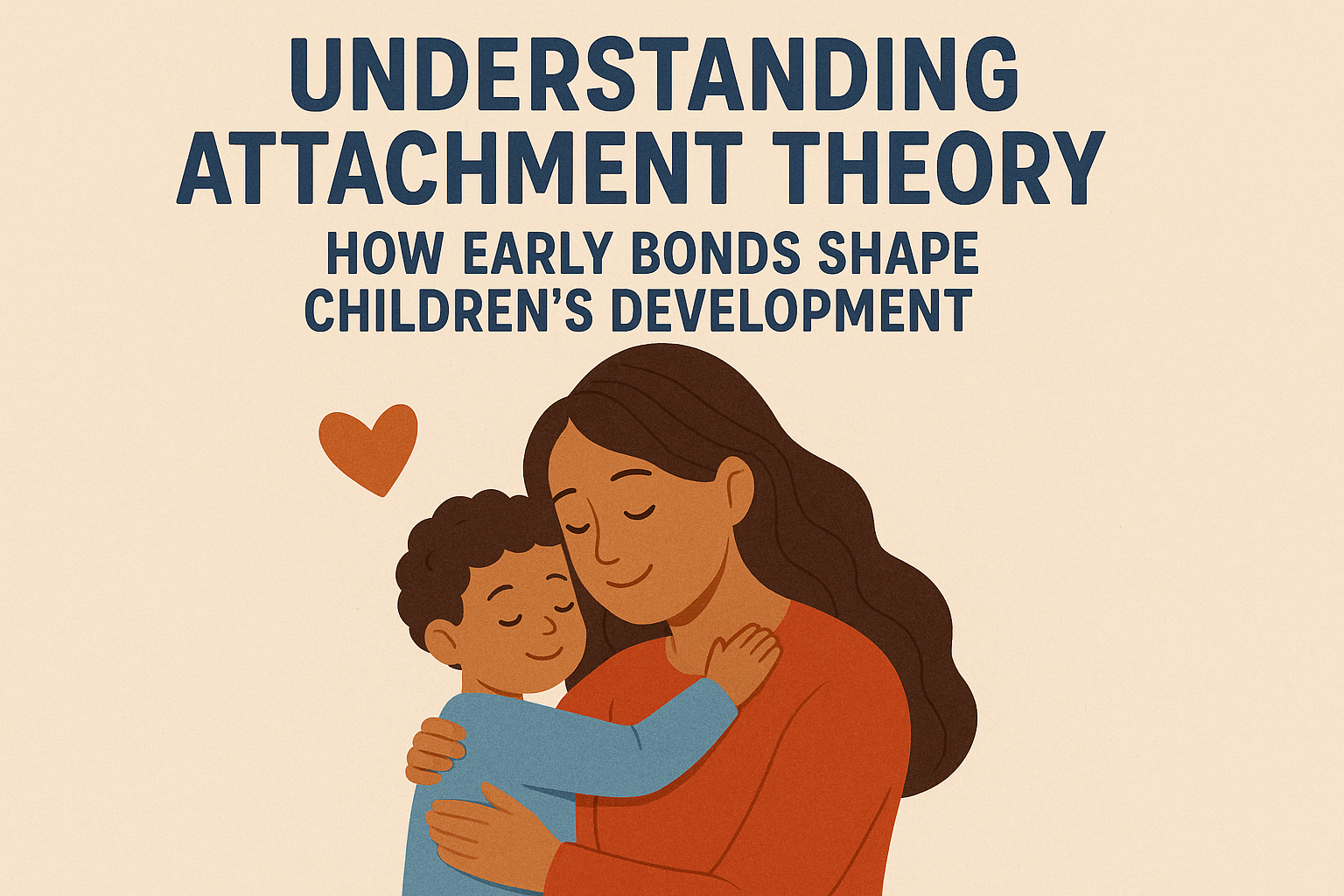
“understanding Attachment Theory: How Early Bonds Shape Children’s Development”
“`html
Introduction to Attachment Theory
Have you ever wondered how the bonds formed in early childhood play a role in shaping our personalities, relationships, and even our mental health? Attachment theory, a psychological framework developed by British psychologist John Bowlby in the mid-20th century, explores these very dynamics. Essentially, it delves into how our early interactions with caregivers influence our emotional development and interpersonal relationships as we grow.
The Origins of Attachment Theory
Attachment theory originated in the 1950s when Bowlby proposed that children are born with an innate tendency to form emotional bonds with their primary caregivers. This connection serves a critical survival function, ensuring that the child receives care and protection. Bowlby’s observations, combined with the works of psychoanalyst Melanie Klein and the ethological studies on animal behavior by Konrad Lorenz, laid the groundwork for understanding attachment in a developmental context.
Mary Ainsworth, a colleague of Bowlby, expanded upon this theory through her landmark study known as the Strange Situation. This observational study involved observing infants’ reactions when separated from and reunited with their mothers. Ainsworth classified attachment styles into three categories: secure, anxious-ambivalent, and avoidant, later adding a fourth category: disorganized attachment. These classifications provide insights into how varying degrees of responsiveness from caregivers impact children’s emotional and social development.
The Four Attachment Styles
Understanding the four attachment styles is critical to grasping how attachment impacts development:
- Secure Attachment: Children with a secure attachment style feel safe and supported by their caregivers. They are likely to explore their environment and return to their caregivers for reassurance. As adults, they often have stable relationships and exhibit emotional intelligence.
- Anxious-Ambivalent Attachment: These children may experience anxiety when separated from their caregivers. They often crave attention and may become clingy. In adulthood, this can manifest as insecurity in relationships and a fear of abandonment.
- Avoidant Attachment: Children with avoidant attachment tend to distance themselves from caregivers. They may appear indifferent during separations and reunions. As adults, they might struggle with intimacy and rely heavily on self-sufficiency.
- Disorganized Attachment: Characterized by confusion and fear toward caregivers, children with disorganized attachment lack a coherent strategy for managing their attachment needs. This can lead to significant emotional and relational difficulties in adulthood.
The Role of Caregivers in Shaping Attachment
Caregivers play an essential role in shaping attachment styles. Their responsiveness, consistency, and emotional availability significantly influence how children perceive relationships. For instance, a caregiver who consistently meets a child’s needs fosters a secure attachment, while one who is inconsistent or neglectful may contribute to anxious or avoidant attachment styles.
One critical aspect of this interaction is the concept of attunement, which refers to a caregiver’s ability to understand and respond to their child’s emotional signals. High levels of attunement lead to a stronger, healthier attachment, while low levels can create confusion and insecurity in the child.
How Attachment Influences Emotional Development
The implications of attachment theory extend far beyond childhood, having profound effects on emotional development. Children who develop secure attachments are more likely to express their emotions effectively, cope with stress, and manage relationships smoothly. They are also more likely to develop a positive self-image.
On the other hand, children with insecure attachment styles may struggle with emotional regulation. For instance, anxious-ambivalent children might have difficulty managing feelings of jealousy or fear, leading to conflicts in their relationships. Conversely, avoidant children may suppress their emotions, which can result in difficulties in expressing needs and seeking help.
Attachment Theory and Mental Health
The impact of attachment styles on mental health cannot be overstated. Research has established a strong correlation between insecure attachment styles and various mental health issues, including anxiety, depression, and borderline personality disorder. For example, individuals with anxious-ambivalent attachment are at a higher risk for developing anxiety disorders, while those with avoidant attachment styles may struggle with depression.
Understanding these links provides an avenue for intervention. Therapeutic approaches that focus on addressing attachment issues can significantly help individuals improve their emotional well-being and relationships. Techniques such as attachment-based therapy aim to foster secure attachments in adults, promoting healthier relational patterns. (See: Wikipedia on Attachment Theory.)
The Importance of Early Intervention
Given the profound impact of attachment on development, early intervention is critical. Programs designed to educate parents about attachment theory and its implications can help foster healthier attachments in children. For instance, parenting classes that emphasize responsive caregiving can be instrumental in promoting secure attachment styles.
Moreover, interventions targeting at-risk families—such as home visiting programs—have shown promising results in improving child outcomes. By providing support and resources to caregivers, these programs can help reduce the risk of insecure attachment, thereby fostering healthier development in children.
Implications for Educators and Caregivers
Educators and caregivers play a vital role in shaping children’s experiences and are in a unique position to support attachment development. Understanding the principles of attachment theory can help them foster environments where children feel safe, valued, and understood. For instance, creating a warm and welcoming classroom atmosphere can encourage children to express themselves freely.
Additionally, educators should consider the diverse backgrounds of students. Children from different cultural or socio-economic backgrounds may have varying experiences with attachment, which can influence their behavior in educational settings. By adopting a culturally sensitive approach, educators can better support children’s emotional and academic development.
Current Relevance of Attachment Theory
In recent years, attachment theory has gained renewed attention, particularly in light of the COVID-19 pandemic. The experience of isolation, combined with social and economic challenges, has highlighted the importance of stable attachments. Many children faced disruptions in their routines and relationships, which could lead to increased anxiety and attachment-related issues.
As we move forward, the lessons learned from attachment theory remain critical. Understanding how early bonds shape development is essential for creating supportive environments, whether at home, in schools, or in therapeutic settings. By prioritizing attachment, we can foster resilience and promote healthier emotional development in future generations.
Attachment Theory in Adulthood
Attachment theory doesn’t just apply to childhood; it also has significant implications for adult relationships. The attachment styles formed during childhood often mirror how individuals relate to their partners, friends, and even colleagues in adulthood. For instance, someone with a secure attachment style is likely to engage in healthy communication and conflict resolution, while an avoidant individual may shy away from intimacy and vulnerability.
Studies have suggested that people with secure attachments are happier in their romantic relationships. They tend to have better emotional regulation skills, which can lead to more fulfilling and stable partnerships. Conversely, those with insecure attachment styles often find themselves in tumultuous relationships, characterized by excessive anxiety, jealousy, or emotional distance.
Case Studies and Examples
To illustrate the impact of attachment theory in real life, consider the case of Sarah, who was raised in a nurturing environment by her parents. As an adult, she demonstrates a secure attachment style, maintaining healthy relationships with friends and family. She effectively communicates her needs and emotions, resulting in strong, supportive connections.
On the other hand, take John, who experienced inconsistent caregiving as a child. Now in his thirties, he often grapples with anxiety in relationships. He fears abandonment, leading to clingy behaviors that push his partners away. John’s struggles highlight how unresolved attachment issues can manifest into adulthood, affecting emotional well-being and relationship satisfaction.
Related: You may also like
Statistics on Attachment Theory
Research has provided various statistics that emphasize the importance of attachment styles: (See: CDC on Children's Mental Health and Attachment.)
- Approximately 60% of children develop secure attachment, while the remaining 40% display insecure attachment styles.
- Studies indicate that securely attached adults report significantly higher levels of relationship satisfaction—up to 50% more than their insecurely attached counterparts.
- About 65% of individuals with anxious-ambivalent attachment struggle with mental health issues, including anxiety and depression.
- Research shows that children with secure attachments are 70% more likely to perform better academically compared to those with insecure attachments.
Expert Perspectives on Attachment Theory
Many psychologists and researchers have weighed in on the relevance of attachment theory in today’s society. Dr. Sue Johnson, a clinical psychologist and the creator of Emotionally Focused Therapy, emphasizes that secure attachment serves as a foundation for emotional well-being. According to her, “We are wired for connection, and our attachment needs are fundamental to our mental health.” Experts like Dr. John Gottman also highlight the role of attachment in relationships, stating that the ability to turn toward one’s partner during times of stress is a hallmark of secure attachment.
The Impact of Cultural Factors on Attachment
Attachment theory is not without its cultural considerations. Various cultures have different parenting styles and beliefs about child-rearing, which can influence attachment development. For instance, in collectivist cultures, the emphasis on social harmony may lead to different caregiver behaviors compared to individualistic cultures, where independence is often encouraged.
Understanding attachment through a cultural lens can provide deeper insights into how various backgrounds shape attachment styles. For example, children raised in cultures that prioritize familial interdependence may exhibit attachment behaviors that differ from those raised in cultures that value autonomy and self-sufficiency.
FAQ about Attachment Theory
What is attachment theory?
Attachment theory is a psychological framework that explores how early emotional bonds between children and their caregivers influence their emotional development and relationships throughout life.
What are the four attachment styles?
The four attachment styles are secure, anxious-ambivalent, avoidant, and disorganized. Each style reflects different patterns of behavior and emotional responses in relationships.
How can attachment theory be applied in therapy?
Attachment theory can be applied in therapy through methods such as attachment-based therapy, where the focus is on addressing attachment-related issues to improve emotional well-being and relational dynamics.
Can attachment styles change over time?
Yes, attachment styles can change over time, particularly through positive relational experiences, therapy, or interventions that foster secure attachments.
How does attachment theory relate to parenting?
Attachment theory provides insights into how parenting styles impact children’s emotional development. Responsive caregiving is key to fostering secure attachment in children.
What role does attachment play in adult relationships?
Attachment styles formed in childhood often influence how individuals behave in adult relationships, affecting their ability to communicate, resolve conflicts, and maintain intimacy.
Attachment Theory Across the Lifespan
Attachment theory is not solely confined to childhood experiences; it extends throughout a person’s lifespan. As individuals progress through different stages of life, their attachment styles can evolve based on new relationships and experiences. For example, a secure attachment formed in childhood can be reinforced through supportive romantic relationships in adulthood. (See: NIH article on Attachment and Development.)
Conversely, individuals who may have developed insecure attachments during childhood can encounter experiences or therapeutic interventions that lead to a shift in their attachment style. Significant life events, such as becoming a parent, can also prompt individuals to reflect on their attachment styles and seek to foster secure attachments for the next generation.
Common Misconceptions about Attachment Theory
Despite its broad acceptance in psychology, there are several misconceptions regarding attachment theory that deserve clarification:
- Attachment is solely determined by parents: While primary caregivers play a vital role, attachment styles can also be influenced by broader social networks, peer relationships, and life experiences.
- Attachment styles are fixed: While early experiences shape attachment styles, they are not set in stone. People can develop more secure attachments later in life through positive interactions and therapeutic work.
- Attachment theory only applies to children: Attachment theory is applicable to individuals of all ages and can provide insights into adult relationships, mental health, and social functioning.
The Neuroscience Behind Attachment
Recent advancements in neuroscience have shed light on the biological underpinnings of attachment. Research indicates that secure attachments can lead to healthier brain development and functioning. Securely attached individuals often have better emotional regulation, which is linked to the functioning of the prefrontal cortex—responsible for decision-making and impulse control.
In contrast, insecure attachments can lead to heightened stress responses, reflected in an overactive amygdala, which regulates fear and emotional responses. This physiological response contributes to anxiety and other emotional difficulties often seen in individuals with insecure attachment styles. Understanding the neuroscience behind attachment can help inform therapeutic approaches, emphasizing the importance of creating safe and nurturing environments.
Attachment Theory in Modern Therapy Practices
Attachment theory has significantly influenced various therapeutic practices, including Emotionally Focused Therapy (EFT), Dialectical Behavior Therapy (DBT), and Attachment-Based Family Therapy. These approaches emphasize understanding and addressing attachment-related issues to improve emotional health and relationship stability.
In EFT, for example, therapists help couples identify their attachment needs and develop secure emotional bonds. By fostering communication and emotional responsiveness, partners can break negative patterns and create healthier dynamics. Similarly, DBT incorporates attachment principles by encouraging individuals to build and maintain secure attachments to support emotional regulation and interpersonal effectiveness.
Conclusion: Moving Forward with Attachment Theory
Attachment theory provides vital insights into how early relationships influence our development and well-being. By recognizing the importance of secure attachments and addressing the needs of children and caregivers, we can pave the way for healthier emotional landscapes. As research continues to evolve, the principles of attachment theory will remain central in shaping practices in psychology, education, and parenting. Understanding and applying these principles can lead to richer, more fulfilling relationships and improved mental health for individuals across all stages of life.
“`
More from this site
Trending Now
Frequently Asked Questions
What is attachment theory in psychology?
Attachment theory is a psychological framework developed by John Bowlby that explores how early bonds formed with caregivers influence a child's emotional development, personality, and relationships. It emphasizes the importance of these early interactions in shaping our mental health and social behaviors throughout life.
What are the different types of attachment styles?
There are four main attachment styles: secure, anxious-ambivalent, avoidant, and disorganized. Secure attachment fosters emotional intelligence and stable relationships, while the other styles may lead to difficulties in relationships and emotional regulation, reflecting varying degrees of caregiver responsiveness.
How do early childhood experiences impact development?
Early childhood experiences, particularly the bonds with caregivers, play a crucial role in shaping a child's emotional and social development. These experiences influence personality traits, relationship patterns, and mental health outcomes as they grow into adulthood.
Who developed attachment theory and how?
Attachment theory was developed by British psychologist John Bowlby in the mid-20th century. He proposed that children are innately inclined to form emotional bonds with their primary caregivers, which are essential for their survival and emotional well-being.
What is the Strange Situation study?
The Strange Situation is a research method developed by Mary Ainsworth to observe infants' attachment behaviors. It involves a series of separations and reunions between infants and their mothers, leading to the classification of attachment styles based on the child's reactions to these situations.
What’s your take on this? Share your thoughts in the comments below — we read every one.
The post “Understanding Attachment Theory: How Early Bonds Shape Children’s Development” appeared first on The Edvocate.
Popular Products
-
 Aqua Peel Facial Deep Clean & Dermabr...
$138.99$96.78 -
 Custom Engraved Gift Box - Black Paper
$50.99$34.78 -
 Smart Notebook Wireless Graphics Tablet
$175.99$135.78 -
 Enamel Heart Pendant Necklace
$49.56$24.78 -
 Women's Custom Name 18K Gold Plated N...
$68.99$47.78