High School Sports Help Fight Absenteeism
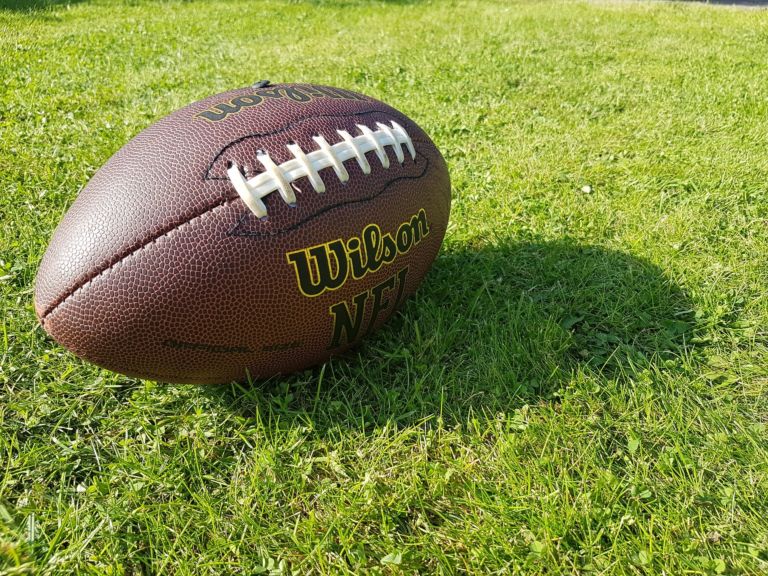
Nat Malkus and Sam Hollon write for the American Enterprise Institute about one benefit of high school sports.
Examining day-level attendance records and varsity participation data for roughly 262,000 Indiana high school students, we find a consistent “double bump” effect of varsity sports participation on attendance: Varsity athletes had better attendance outside their sports seasons than their peers and still lower absence rates during their sports seasons. Athletes also showed substantially lower rates of chronic absenteeism.
Overall, high school absences averaged 6.5 percent statewide, and 23 percent of students played at least one varsity sport. The demographic profile of varsity athletes reflects several advantages that are also associated with better attendance. Nonetheless, after adjusting for key student and school characteristics and weekly variation in absences, varsity athletes’ attendance advantage remains substantial both in and out of their sports seasons.
Effects appear for excused and unexcused absences, with the overall athlete advantage larger for unexcused absences. Models that include student fixed effects identify an attenuated but large causal in-season effect. Together, the patterns identified in this report suggest that structured, voluntary extracurricular participation can meaningfully improve attendance behavior and that students have meaningful agency over their own attendance.
Sports are a fundamental part of high school. Across the United States, more than 8.2 million students participated in high school sports in the 2024–25 school year, a 2.5 percent increase over the previous year. In contrast to the high school “dumb jock” stereotype, high school sports participation is associated with numerous benefits, including for academics. Research suggests athletes are more engaged with school and have fewer disciplinary issues, stronger peer and adult relationships, a greater sense of belonging, higher educational aspirations, lower rates of risky behaviors, and higher grades, test scores, and class ranks. Most of this research is circumstantial, meaning whether sports participation causes these advantages or merely attracts students who already have them remains murky.
The post High school sports help fight absenteeism appeared first on John Locke Foundation.
Popular Products
-
 Brightening & Hydrating Rose Facial C...
$154.99$107.78 -
 Pheromone Long Lasting Attraction Per...
$88.99$61.78 -
 Crystal Glass Rose Table Decoration w...
$137.99$95.78 -
 Mini Facial Hair Trimmer with Replace...
$15.99$9.78 -
 Whitening & Spot Removal Skincare Set...
$201.99$140.78