14 Home Safety Concerns That Increase With Age
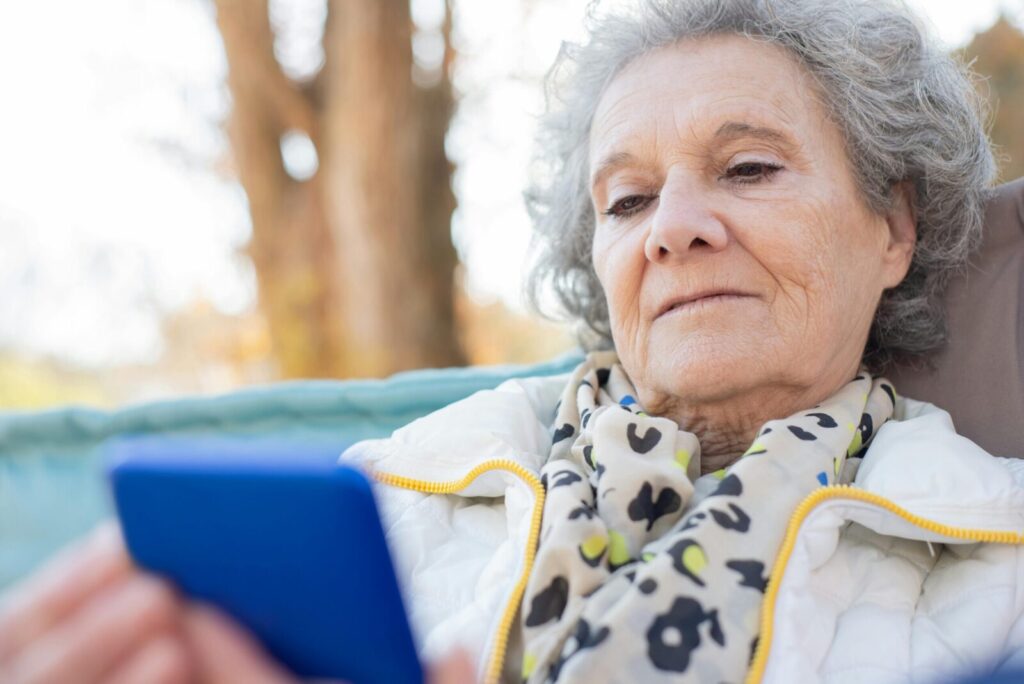
As we age, maintaining a safe and comfortable home environment becomes increasingly important. Older adults often face unique physical, cognitive, and sensory challenges that can make everyday tasks more hazardous. Simple activities such as cooking, bathing, or climbing stairs can pose serious risks if the home is not properly adapted to meet changing needs. Falls, burns, and medication errors are among the most common threats, and they can have long-lasting effects on health and independence. Moreover, age-related conditions such as diminished vision, hearing loss, arthritis, and memory decline further contribute to potential dangers at home. Recognizing and addressing these risks proactively not only prevents accidents but also enhances quality of life. By understanding common home safety concerns and implementing thoughtful modifications, seniors can live more securely, maintain independence, and enjoy their surroundings with confidence.
1. Fall Hazards
Kampus Production/PexelsFalls are one of the leading causes of injury among older adults. As balance, strength, and coordination decline with age, even minor obstacles can become dangerous. Loose rugs, cluttered walkways, uneven flooring, and poor lighting increase the risk of falls significantly. Bathrooms and stairs are particularly high-risk areas, as wet surfaces and narrow steps present additional challenges. Installing grab bars, using non-slip mats, securing rugs, and ensuring sufficient lighting can greatly reduce these hazards. Regular exercise to improve balance and strength also contributes to fall prevention. Paying attention to footwear is equally important, as shoes with poor traction can worsen the risk. By proactively addressing fall hazards, older adults can remain more independent while reducing the likelihood of serious injuries that often result from slips and trips.
2. Poor Lighting
Sindre Fs/PexelsAs people age, vision naturally deteriorates, making adequate lighting critical to home safety. Insufficient lighting can increase the risk of trips, falls, and accidents, especially in hallways, staircases, and bathrooms. Older adults may struggle to see steps, obstacles, or hazards in dimly lit areas, which can lead to injuries. Installing brighter, energy-efficient bulbs, motion-sensor lights, and nightlights in key areas helps improve visibility. Task lighting in kitchens, reading areas, and workspaces is also beneficial. Ensuring even lighting without creating glare is important, as glare can cause temporary blindness or disorientation. Regularly checking and replacing burned-out bulbs is a simple but effective step. Proper lighting not only enhances safety but also supports daily activities and independence.
3. Slippery Surfaces
Elizabeth Tamara/UnsplashWet or slippery surfaces are a major concern for seniors, particularly in bathrooms, kitchens, and entryways. Age-related changes in balance and reflexes make it more difficult to recover from slips. Installing non-slip mats in showers and tubs, applying anti-slip coatings, and keeping floors dry significantly reduces the risk of falls. It is also important to ensure that outdoor walkways and entry steps are well-maintained and free of ice, water, or moss. Handrails and grab bars near slippery areas can provide extra support. Choosing footwear with good traction further minimizes accidents. Addressing slippery surfaces proactively is essential to prevent injuries that can lead to long-term mobility issues or hospitalizations.
4. Stairs and Step Hazards
Bianca Wolmarans/PexelsStairs pose significant risks for older adults due to declining strength, balance, and vision. Even a single misstep can lead to serious injuries, including fractures or head trauma. Installing sturdy handrails on both sides, ensuring consistent step height, and using non-slip treads can improve safety. Adequate lighting at the top and bottom of staircases is also crucial, as shadows and dim areas increase the risk of misjudging steps. Removing clutter from stairs and avoiding carrying heavy or obstructive objects while ascending or descending further reduces hazards. For those with mobility challenges, stairlifts or ramps may be considered. By addressing stair and step risks, seniors can navigate multi-level homes more safely and maintain independence.
5. Fire and Burn Risks
TanteTati/PixabayOlder adults are at higher risk for fire-related accidents due to slower reflexes, memory challenges, and mobility limitations. Kitchen fires, unattended candles, faulty electrical equipment, and heating devices are common causes. Installing smoke detectors in every bedroom, hallway, and kitchen, and regularly testing them, ensures timely alerts. Using appliances with automatic shut-off features, keeping flammable materials away from heat sources, and maintaining electrical systems reduces fire hazards. Education on fire safety, such as using a fire extinguisher and developing an emergency evacuation plan, is essential. By implementing preventive measures and ensuring quick response options, seniors can significantly reduce the risk of fire-related injuries and property damage.
6. Medication Safety
RDNE Stock project/PexelsAs people age, they often require multiple medications, increasing the risk of errors, interactions, and side effects. Misreading labels, forgetting doses, or taking incorrect amounts can lead to serious health consequences. Organizing medications using pill organizers, clearly labeling each prescription, and maintaining an updated medication list helps prevent mistakes. Regular consultations with healthcare providers to review prescriptions and monitor for side effects are crucial. Storing medications in a cool, dry place and out of reach of children or pets is also important. By prioritizing medication safety, older adults can manage their health effectively while avoiding preventable complications and hospitalizations.
7. Cognitive Challenges
cottonbro studio/PexelsMemory loss, dementia, or other cognitive impairments can create safety concerns at home. Individuals may forget to turn off appliances, leave doors unlocked, or wander into unsafe areas. Using visual cues, clear signage, and labeling frequently used items can assist with orientation. Installing safety locks on stoves, cabinets with hazardous materials, and doors to restricted areas provides added protection. Regular supervision or check-ins from family or caregivers can prevent accidents. Technology such as motion sensors, alert systems, and automated reminders may also help. Addressing cognitive challenges ensures seniors can continue living independently while minimizing risks associated with forgetfulness or confusion.
8. Home Security
Possessed Photography/UnsplashOlder adults may be more vulnerable to break-ins or scams, making home security a priority. Locked doors and windows, peepholes, and security systems with alarms or cameras enhance safety. Motion-sensor lights outside the home can deter intruders, while well-maintained landscaping avoids providing hiding spots. Establishing a trusted neighbor network or community watch also adds an extra layer of protection. Seniors should be cautious about opening doors to strangers and verifying identity before allowing entry. By prioritizing home security, older adults can protect themselves, their property, and maintain peace of mind.
9. Emergency Preparedness
Mathurin NAPOLY / matnapo/UnsplashEmergencies such as natural disasters, medical crises, or fires pose increased risks for seniors. Preparing in advance ensures a swift, safe response. Creating an emergency kit with essentials like medications, water, non-perishable food, flashlights, and first-aid supplies is crucial. Having a clear evacuation plan, accessible exits, and contact lists for family or caregivers enhances readiness. Seniors should also consider medical alert devices or wearable technology to summon help quickly. Regular drills and reviewing emergency procedures reduce panic during real events. By prioritizing preparedness, older adults can respond effectively to unexpected situations, minimizing injury and stress.
10. Electrical and Appliance Safety
Markus Spiske/PexelsOlder adults may face risks from outdated electrical systems or misuse of appliances. Frayed cords, overloaded outlets, and malfunctioning equipment can lead to shocks, burns, or fires. Ensuring electrical wiring is up to code, using surge protectors, and avoiding extension cord overuse improve safety. Appliances should be regularly inspected, kept clean, and used according to manufacturer instructions. Installing circuit breakers, GFCI outlets, and child-proof plugs in high-risk areas adds extra protection. By addressing electrical and appliance safety, seniors can reduce the likelihood of accidents and maintain a safer living environment.
11. Temperature Regulation
Erik Mclean/UnsplashAge-related changes can affect the body’s ability to regulate temperature, making seniors more susceptible to heatstroke or hypothermia. Maintaining comfortable indoor temperatures, using programmable thermostats, and avoiding extreme heat or cold exposure are important preventive measures. Fans, space heaters, and air conditioning should be used safely, and layered clothing helps manage fluctuations. Regular hydration and monitoring for signs of overheating or cold stress further protect health. Installing smoke and carbon monoxide detectors ensures early detection of hazards associated with heating devices. By carefully managing temperature, older adults can maintain comfort, prevent illness, and ensure overall home safety.
12. Pet-Related Risks
Ron Lach/PexelsWhile pets provide companionship, they can unintentionally create safety hazards for older adults. Tripping over small animals, slipping on spilled water or pet food, or being scratched or bitten are potential concerns. Ensuring clear pathways, proper lighting, and designated pet areas helps reduce accidents. Regular grooming and training also minimize risks. Choosing pet breeds or sizes that match mobility and lifestyle considerations can improve safety. By managing pet-related risks thoughtfully, seniors can enjoy the emotional benefits of animal companionship while maintaining a safe home environment.
13. Kitchen Safety
Mark McCammon/PexelsKitchens present multiple hazards, including sharp objects, hot surfaces, and heavy cookware. Age-related mobility or vision challenges increase the likelihood of cuts, burns, or falls. Using non-slip mats, keeping frequently used items within easy reach, and employing appliances with safety features reduce risks. Adequate lighting, proper ventilation, and organized storage also improve safety. Regularly checking expiration dates, labeling items, and using adaptive utensils or cookware designed for seniors can prevent accidents. By prioritizing kitchen safety, older adults can continue enjoying cooking and meal preparation with confidence.
14. Cognitive Impairment and Forgetfulness
Pixabay/PexelsMemory loss, confusion, or early-stage dementia can increase safety risks at home. Older adults may forget to turn off appliances, lock doors, or take medications, leading to potential injuries or emergencies. Implementing visual reminders, checklists, labeled storage, and technology-based prompts can mitigate these risks. Simplifying routines and keeping frequently used items within reach reduces confusion. Regular monitoring, supportive devices, and assistance from caregivers when necessary provide additional protection. Recognizing cognitive changes early allows families to make thoughtful adjustments to the home, maintaining safety, independence, and quality of life for seniors.
Keep reading on The WiC Project Lifestyle Blog & Miriam's Boutique: Home Goods, Beauty, & Fashion Store
Popular Products
-
 Orthopedic Shock Pads For Arch Support
$71.56$35.78 -
 Remote Control Fart Machine
$80.80$40.78 -
 Adjustable Pet Safety Car Seat Belt
$57.56$28.78 -
 Adjustable Dog Nail File Board
$179.56$89.78 -
 Bloody Zombie Latex Mask For Halloween
$123.56$61.78