Sensors At The Edge: Powering Smarter healthcare
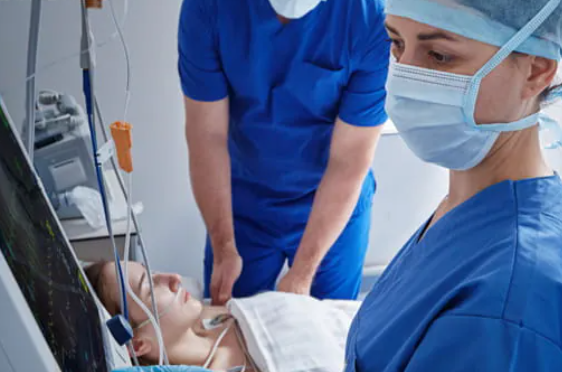
Healthcare is undergoing a fundamental shift. For decades, care has been built around episodic interactions such as a doctor’s appointment, a hospital stay or a procedure. Clinicians assess a patient, make decisions based on the information available at that moment and schedule the next point of care.
As healthcare expands beyond hospitals and clinics, providers need better visibility into patient conditions, device performance and care environments. Chronic diseases progress outside the clinic long before a patient returns to a healthcare provider.
As healthcare systems face growing pressure from aging populations, rising rates of chronic disease and workforce shortages, providers need better visibility into patient health beyond traditional in-person interactions.
Healthcare is also facing a growing mismatch between demand and available resources. Aging populations and increasing prevalence of chronic conditions that require ongoing management are coinciding with staffing shortages and capacity constraints at many health systems. At the same time, patients increasingly expect care that is quicker, more convenient, personalized and accessible. These pressures are accelerating the shift toward care models that extend beyond traditional healthcare facilities and require new ways to monitor patients safely and effectively.
From Episodic Care to Continuous Monitoring
Sensors operate continuously at the edge, detecting change, capturing critical data and enabling faster clinical decision-making.
Remote monitoring technologies are increasingly being used to support patients who are managing cardiovascular disease, diabetes and respiratory conditions, providing clinicians with a more complete picture of patient health between appointments.
Unlike episodic measurements collected during office visits, connected sensors generate longitudinal datasets that help clinicians identify subtle changes over time. This continuous stream of information may support earlier intervention while also enabling medical device manufacturers to design products that integrate with remote patient monitoring platforms, electronic health records and clinical decision support tools.
Sensing technologies measuring pressure, force, flow, gas, position and magnetic elements are increasingly being incorporated into medical devices used for remote monitoring, rehabilitation, infusion systems and mobility assistance. These technologies provide continuous measurements that can support clinical decision-making while enabling manufacturers to design devices that operate reliably outside of traditional care settings.
The value of remote monitoring extends beyond convenience. For clinicians, continuous access to patient data can provide earlier visibility into emerging health concerns that may not be apparent during periodic appointments. For patients, remote monitoring can reduce unnecessary visits while providing reassurance that care teams remain connected to their treatment plans.
As healthcare organizations continue to expand care-at-home programs, technologies that support earlier intervention and proactive management are becoming increasingly important across the healthcare ecosystem.
Sensors Augmenting Robotic Surgeries and Medical Procedures
Sensors are also playing a growing role in robotic-assisted surgery. Position, force and motion sensing technologies provide critical feedback that helps support precise instrument control and procedural consistency. As surgical systems become more sophisticated, high-accuracy, reliable sensing technologies are becoming increasingly important to performance, safety and clinical outcomes.
High-performance sensing technologies help robotic systems detect subtle changes in force and position during minimally invasive procedures. This feedback can support more precise movements, quicker operating times and reduced variability across procedures. As robotic platforms become increasingly sophisticated, sensor accuracy, sensitivity and reliability will continue to influence device performance and clinical confidence.
By operating continuously in the background, sensors also reduce the burden of manual checks and repetitive tasks. This allows healthcare professionals to focus more of their time and expertise on patient care, helping to improve workflow efficiency and the overall care experience.
Advancing Fall Prevention Efforts
Beyond remote monitoring, sensing technologies support patient safety through fall detection, rehabilitation monitoring, medication adherence, sleep monitoring and mobility assessment.
Sensors embedded in connected devices can help monitor movement patterns, mobility changes and activity levels that may indicate increased risk. By identifying these changes earlier, caregivers and clinicians may be able to take preventive action before a fall occurs, helping patients maintain independence while reducing strain on healthcare resources.
These sensors can help track patient movement and mobility, support rehabilitation and recovery programs and provide caregivers with greater visibility into changes that may signal an increased risk of falls or other health concerns like dementia. By enabling continuous monitoring outside clinical settings, sensor-enabled devices help clinicians stay connected to patients between visits and support timely intervention when appropriate.
Data, Quality and Trust Matter More Than Ever
For medical device manufacturers, sensor performance extends beyond measurement accuracy. Devices must consistently generate reliable data across a product’s lifecycle, especially in the age of AI, as data from sensors feeds AI systems. It is critically important that sensors used in medical equipment maintain a high level of accuracy and sensitivity over the life of the device.
As connected medical devices become more sophisticated and prevalent, designing sensors that operate in demanding environments where high levels of electromagnetic interference are prevalent and integrate seamlessly into clinical workflows will remain essential for both product performance and regulatory compliance.
When these elements come together, sensors evolve from simple monitoring devices into powerful drivers of insight and improvement. As digital transformation continues across industries, sensors will play an increasingly central role. While they may operate quietly, sensors are powering some of the most important transformations happening today in the healthcare sphere.
Conclusion: The Ever-Expanding Role of Sensors
Beyond patient monitoring, sensing technologies help support healthcare operations. Environmental sensors can monitor storage conditions for medications, biologics and vaccines, helping ensure they remain within required temperature ranges throughout handling and distribution. These capabilities are increasingly important as healthcare organizations seek to maintain product integrity and patient safety across complex care networks.
As medical devices become more connected, extending beyond traditional clinical settings, sensors are expected to play an increasingly important role in reliable data collection. Manufacturers that prioritize measurement accuracy, system integration and data integrity will be better positioned to develop devices that support clinicians, improve patient outcomes and meet the growing demands for digital healthcare.
The post Sensors at the Edge: Powering Smarter Healthcare appeared first on MedTech Intelligence.
Popular Products
-
 Classic Oversized Teddy Bear
$23.78 -
 Gem's Ballet Natural Garnet Gemstone ...
$171.56$85.78 -
 Butt Lifting Body Shaper Shorts
$95.56$47.78 -
 Slimming Waist Trainer & Thigh Trimmer
$67.56$33.78 -
 Realistic Fake Poop Prank Toys
$99.56$49.78